
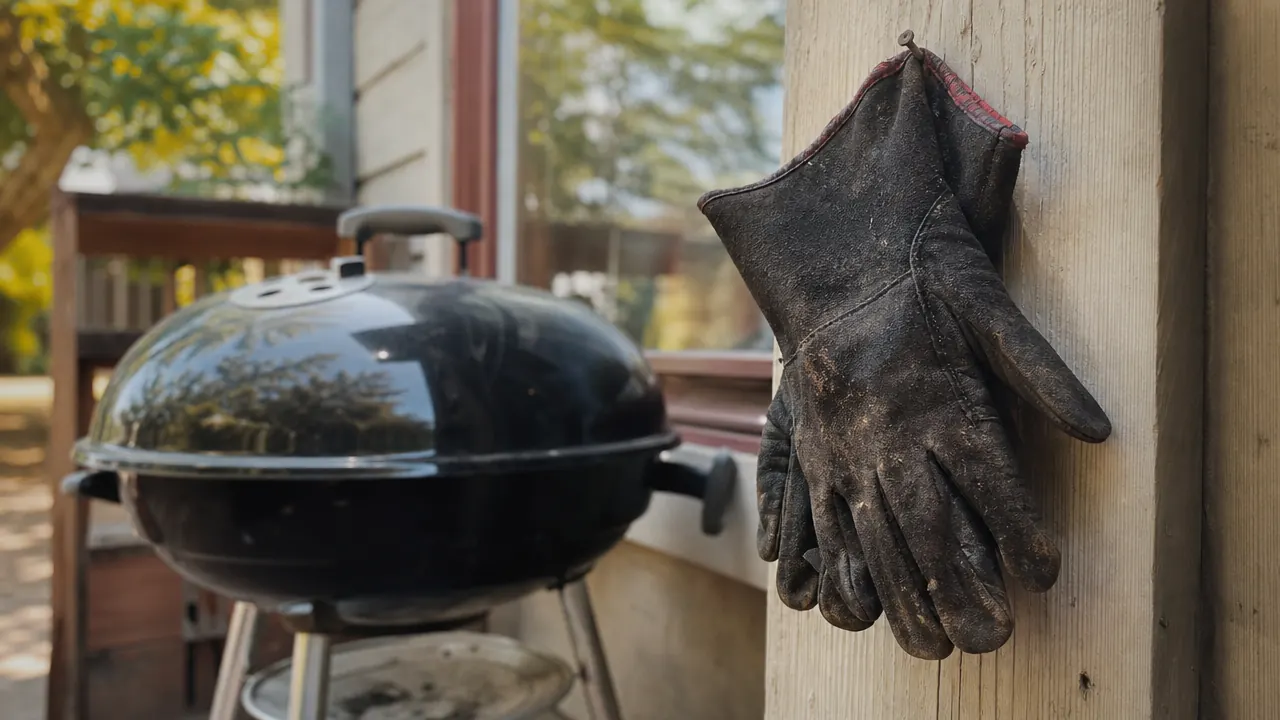
The first time I reached bare-handed into my smoker to adjust a rib rack at 250 degrees, I knew I had a problem. I was using a folded dish towel like an idiot, and the heat cut right through it in about two seconds flat. That was eighteen months ago. Since then I have run the RAPICCA 932F BBQ gloves through charcoal cooks, overnight pellet smokes, propane flat-top sessions, and one particularly ambitious campfire Dutch oven cook. If you are looking for the short answer: these gloves are worth every dollar, but there are a few things nobody tells you before you buy, and I am going to cover all of them.
I picked up the RAPICCA gloves after reading through the specs and noticing the 932-degree Fahrenheit rating printed right on the listing. That number raised an eyebrow. My charcoal kettle peaks around 600 to 650 degrees at the grate. My pellet smoker runs between 180 and 500 degrees depending on the cook. I was never going to see 932F in my backyard. But that headroom is exactly the point. A glove rated to its operating limit is already a glove near failure. I wanted margin, and the RAPICCA delivers it. With over 20,000 reviews and a 4.6 rating on Amazon, the numbers back up the claim, but I wanted to find out for myself what a full season of real use would reveal.
The Quick Verdict
Legit heat protection with real grip, a minor sizing issue for smaller hands, and enough durability to last a full grilling season without noticeable degradation.
Amazon Check Today's Price →Still using oven mitts or folded towels on your smoker? Your hands deserve better.
The RAPICCA 932F gloves have 20,000-plus reviews on Amazon and are rated to handle heat levels your backyard grill will never reach. Check the current price before your next cook.
Amazon Check Today's Price on Amazon →How I Have Used These Gloves Over the Past Season
My test setup is not a controlled lab environment. It is a Weber kettle, a Z Grills pellet smoker, a two-burner Camp Chef propane flat-top, and one cast iron campfire grate I dragged to a family camping trip in September. I have used the RAPICCA gloves across all four. The point is variety. Gloves that handle one type of grill fine but transfer heat on another are a safety liability, not just an inconvenience.
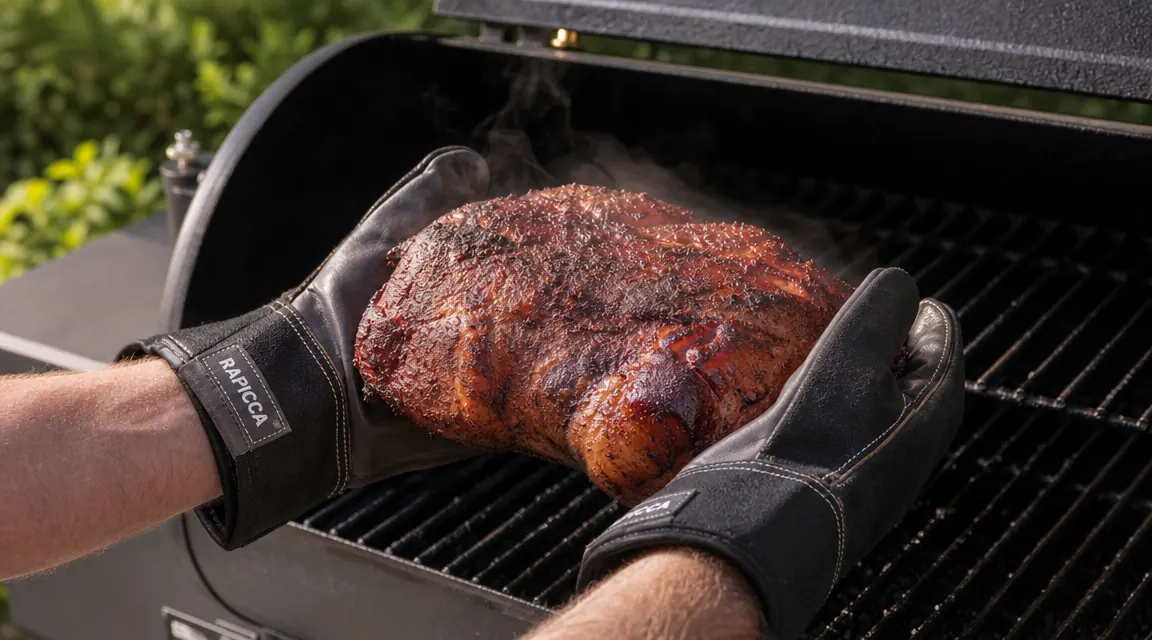
On the pellet smoker I use them most. Pulling a pork shoulder at internal temp after a twelve-hour cook means handling a 200-plus-degree piece of meat wrapped in foil, sitting on a 275-degree grate. Before the RAPICCA gloves I used silicon oven mitts. They protected well enough, but I could not grip anything confidently. The RAPICCA silicone palm pattern changed that. I can pull a slippery foil-wrapped butt off the grate with both hands and walk it to the cutting board without it sliding out of my grip. That confidence matters when you are carrying twelve pounds of hot pork shoulder across a patio.
On charcoal I use them to reposition the grate after adding coals mid-cook. That grate is directly over the coals and can be close to 600 degrees on the surface. The RAPICCA gloves handle it without any heat transfer through to my hands. I can grip the grate handle for five to six seconds comfortably. That is plenty of time to move it and set it back down without rushing or tossing it and hoping it lands right.
What the 932F Rating Actually Means in Practice
The 932F figure refers to the outer shell temperature the material can tolerate before it degrades. It does not mean you can hold your hand against a 900-degree flame for ten minutes. No glove works that way. What it does mean is that brief contact with extremely high surfaces, like the interior wall of a wood-fired smoker or a red-hot grill grate edge, will not immediately damage the glove or your hand. The RAPICCA uses an outer layer of Nomex and Kevlar fiber, which are the same materials used in firefighting and industrial heat protection. That is not a marketing claim, it is materials science, and it explains why these gloves hold up better than the generic silicon alternatives you find at big-box stores.
In practical backyard terms, the 932F rating gives you about 10 to 15 seconds of safe contact time at temperatures up to around 450 to 500 degrees. At 600 degrees on a charcoal grate you get comfortable contact for maybe five to seven seconds before you start to feel warmth. That threshold was enough for every task I threw at these gloves during my season of use. Repositioning grates, pulling racks, handling chimneys, and managing Dutch ovens all fall well within that window. The rating gives you confidence without turning it into a challenge to find its limit.
Grip, Dexterity, and What You Give Up at High Heat Levels
This is where a lot of heat-resistant gloves fall flat. Thick insulation tends to kill dexterity. You end up with hands that feel like oven mitts, and you cannot grip tongs, turn a dial, or grab a small piece of food without fumbling. The RAPICCA threading the needle here is the main reason I still recommend them over thicker alternatives that technically have higher heat ratings but are basically useless for real cooking tasks.
The silicone nub pattern on the palm gives genuine grip. Not theoretical grip, actual grip. I have pulled full brisket flats off a grate in a single confident motion. I have moved a smoking-hot cast iron skillet from a propane burner to a trivet without hesitating. The glove is thick enough that I am not worried about heat, but the finger articulation is good enough that I do not feel clumsy. Compare this to standard silicon oven mitts, which have no finger separation at all and turn your hands into paddles that can barely hold a pan handle without it rotating.
The one dexterity trade-off is fine motor work. I cannot use a thermometer probe while wearing the gloves. The probe is too small and precise for the thick fingertips to handle well. I take the gloves off for that step, then put them back on before touching anything hot again. That is a thirty-second workflow adjustment, not a dealbreaker. If you use a wireless thermometer that stays in the meat throughout the cook, you may never need to take the gloves off at all.
The silicone nub pattern on the palm gives genuine grip. I have pulled full brisket flats off a grate in a single confident motion without hesitating.
Waterproofing and the Oil-Resistance Claim
The product listing calls these gloves oil resistant and waterproof, and both claims hold up in my experience. I have dripped pork fat, barbecue sauce, and marinade on these gloves more times than I can count. The outer shell does not absorb it. A quick wipe with a damp cloth gets most of it off. For heavier buildup, hand-washing with dish soap works fine, and the gloves dry fast. I have not put them in the machine and I would not recommend it. The stitching and insulation layers hold up better with hand washing over time.
The waterproofing is most useful when pulling meat out of liquid. If you are doing a beer braise in a Dutch oven or lifting a pan of drippings off a side burner, the gloves protect your hands from both heat and liquid at the same time. I used them to move a full pan of chicken stock off a propane side burner once. My old oven mitts would have soaked through in two seconds and the heat would have reached my palms. The RAPICCA handled it without any issue.
Durability After One Full Season
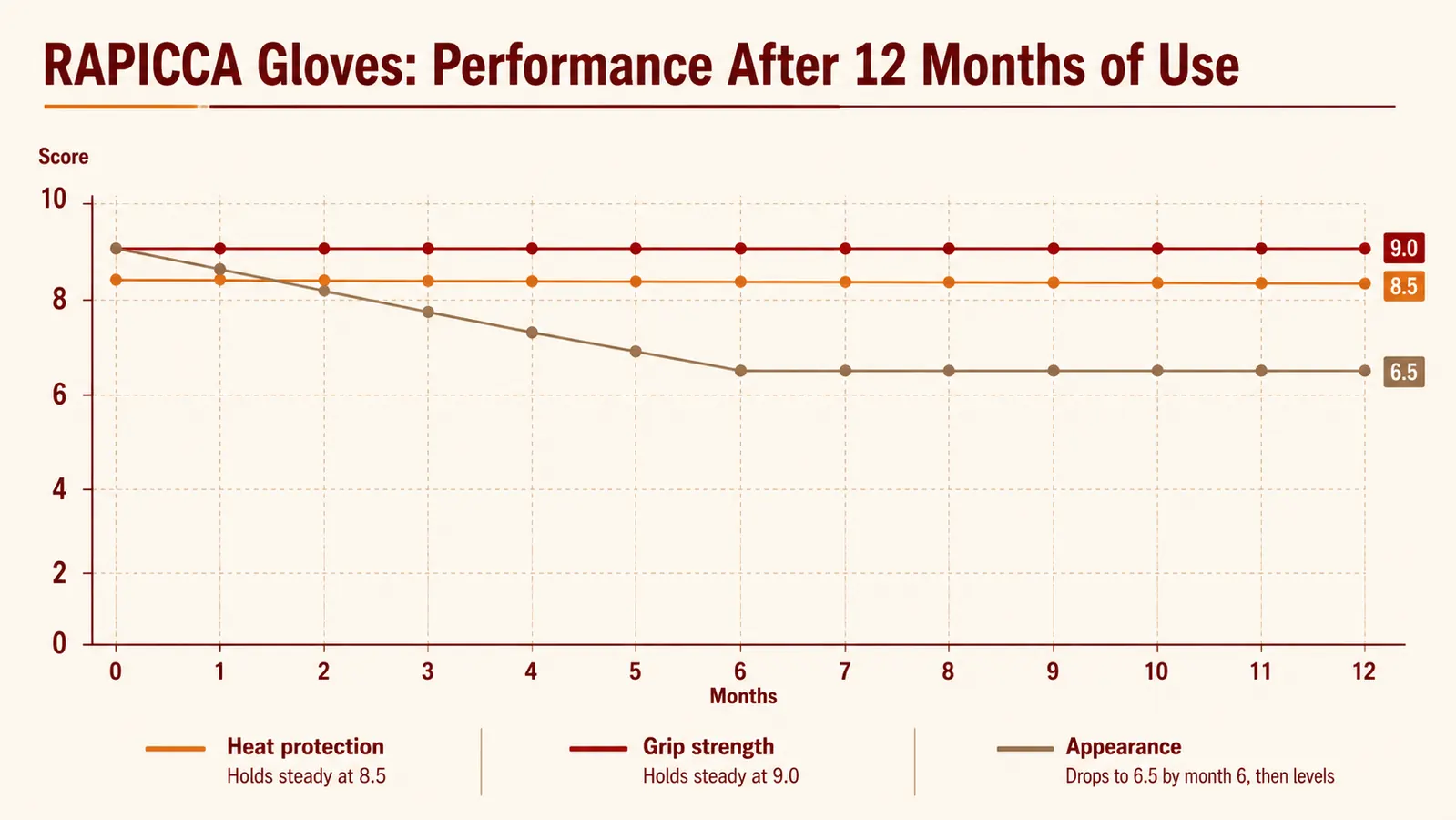
I have owned a lot of grill gloves that looked fine on arrival and degraded fast. Stitching splits. Insulation compresses. Silicone pads crack or peel. The RAPICCA gloves have held up better than anything else I have used at this price point. After roughly forty cooking sessions over about eight months, here is the state of my pair: the silicone grip pattern is intact and still functional, the outer shell shows light discoloration on the right palm from repeated contact with my charcoal grate, and the stitching at the cuff is solid with no separation or fraying. The wrist strap is still tight and the velcro holds fine.
The inner lining, a cotton terry cloth layer, has compressed slightly over time. It feels less plush than it did new, which is expected with any insulated glove under repeated heat exposure. The protection level has not noticeably changed. I still get the same comfortable window of contact time that I had when I first put them on. That is the real durability test. Not whether the glove looks new, but whether it still works the same way it did when you bought it.
Sizing: The One Issue Worth Knowing About Before You Order
These gloves run large. I wear a size large in winter gloves, and the large fits me with about a half-inch of extra length in each finger. For cooking tasks that is not a big deal for me, but for anyone with smaller hands, the sizing gap creates a real grip problem. If the fingertip of the glove is not where your actual fingertip is, you lose the tactile feedback that makes the silicone grip work. A couple people in my grilling group who wear medium or small hand sizes tried these and found them awkward because the finger chambers were too long.
My recommendation if you are buying for a smaller-handed cook: size down one from what you normally wear. If you normally wear medium, try small. The fit will feel snug, but snug is better than floppy for a heat-protection glove. Extra insulation that bunches at the fingertips reduces both grip and dexterity, which defeats the whole point. Check the sizing guide in the Amazon listing before ordering, and if you are right on the border, go smaller.
What I Liked
- Genuine heat protection at real backyard temperatures, with significant margin before approaching the rated limit
- Silicone palm grip actually works on slippery surfaces like foil-wrapped meat, wet grates, and cast iron skillets
- Oil-resistant outer shell wipes clean fast and does not absorb grease or sauce
- Durable through forty-plus cooks with no structural degradation after one full grilling season
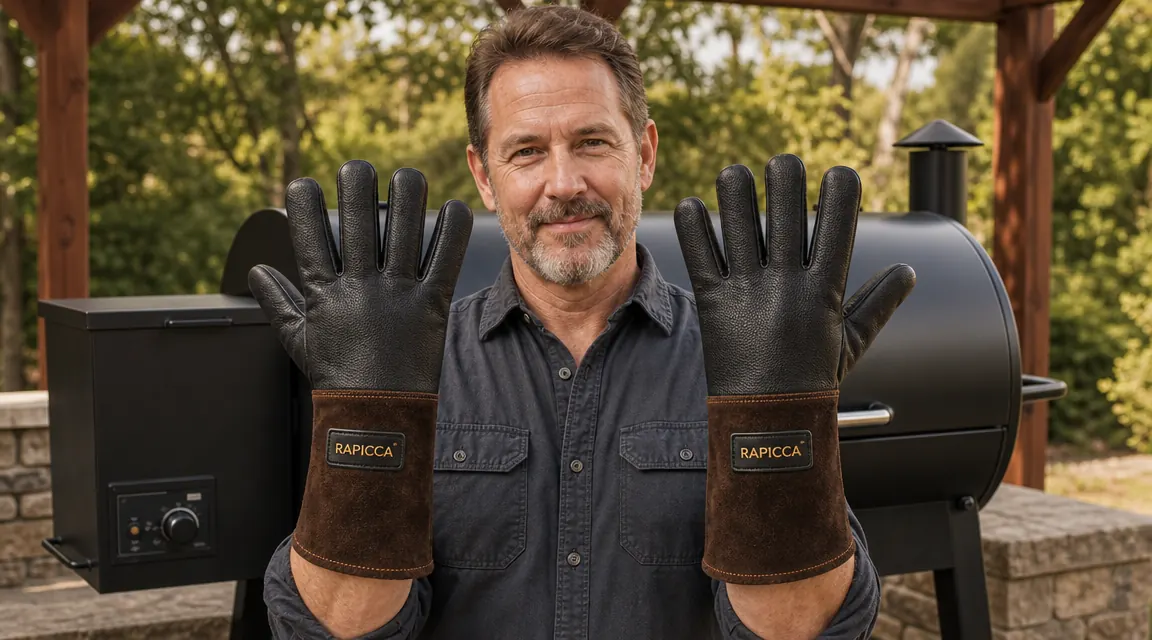
- Long cuff covers the wrist and lower forearm, protecting the part of your arm most exposed near a grill opening
- Waterproof enough to handle braising liquid and wet surfaces without soaking through
Where It Falls Short
- Runs large, so smaller-handed cooks should size down or the fingertips will be loose and grip will suffer
- Fine motor tasks like inserting a probe thermometer are not practical while wearing them
- The inner cotton lining compresses over time, though heat protection remains functional
Who This Is For
The RAPICCA gloves are the right buy for anyone who cooks regularly on a charcoal, pellet, or offset smoker and is tired of improvising with oven mitts, folded towels, or cheap silicon pads that offer no grip. If you are smoking briskets, pulling pork shoulders, managing grill grates at high heat, or handling cast iron on any surface, these gloves solve every frustration I had with cheaper alternatives. They are also a solid pickup for anyone who runs a propane setup and does a lot of high-heat searing where you need to move equipment quickly. The grip-and-protect combination is the best I have found near this price point.
Who Should Skip It
If you are mainly doing low-temp smoking where the grill never gets above 250 degrees and you only need to open the lid occasionally, a cheaper pair of insulated gloves will probably do the job and cost less. The RAPICCA is a bit more protection than you need for a light-duty cook-and-monitor setup. Similarly, if you have very small hands and do not want to deal with the sizing adjustment, the RAPICCA fit could frustrate you enough to outweigh the protection benefits. In that case, look at gloves with a narrower fit or a smaller size range before committing. The glove is excellent, but fit has to be right for any glove to work properly.
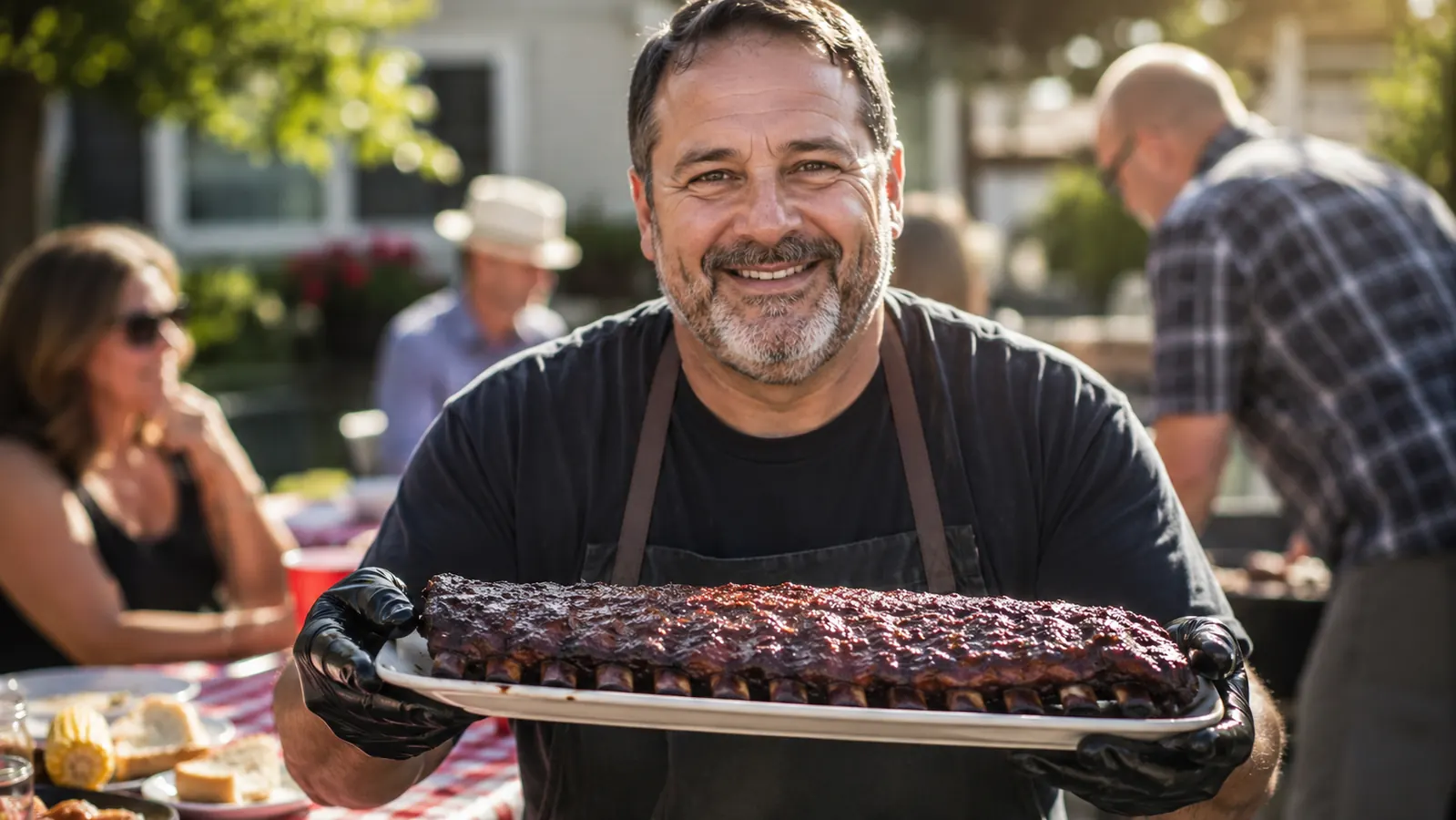
For more on what makes a heat-resistant glove worth the investment, check our breakdown of the 10 reasons heat-resistant gloves are essential for backyard pitmasters. And if you are deciding between the RAPICCA and the Ove Glove, our head-to-head comparison lays out exactly where each one wins for smoker and grill use.
Ready to stop improvising with kitchen towels at your smoker?
The RAPICCA 932F gloves have over 20,000 verified reviews and are built for real grill use across charcoal, pellet, and propane setups. Check today's price on Amazon and see if they are the right fit for how you cook.
Amazon Check Today's Price on Amazon →